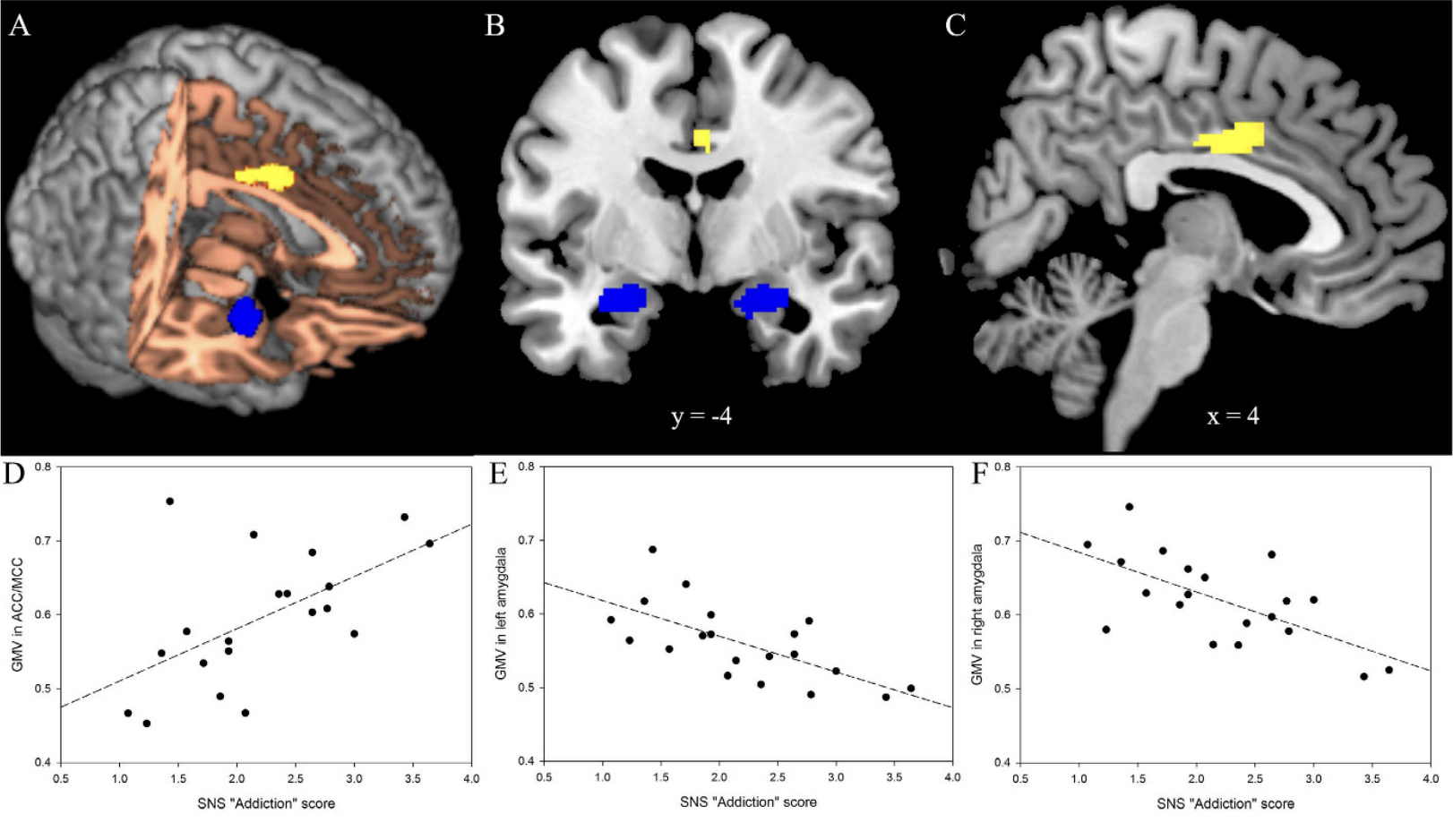
The last decade has seen the rise of digital and social media addiction, and its impacts are being noticed by the scientific community. These effects are alarming and underreported — two independent studies published in Nature, as well as a literature review of 28 studies, came to reveal these troubling results:
Overuse of Digital Media is Associated with:
Reduced volume and thickness of the prefrontal cortex.
Impairs higher-level logic and planning.
Reduced volume and more efficient amygdala.
Impulse circuitry has become more efficient — harder to resist.
Significant decrease in cerebellum volume in adolescents.
The cerebellum is responsible for emotional regulation. Its down-regulation is linked to emotional instability and ADHD-like symptoms.
Increased Cingulate Cortex volume in children and adolescents.
The cingulate cortex is responsible for 'no go' responses. Researchers proposed this was the brain working harder to resist the pull of modern digital media.
A clear picture emerges: social and digital media alters you. An honest reflection would likely find a similarity between these findings and your own experience of overuse. It should be noted that the above are similar — albeit downgraded — neurological effects to those caused by common substance abuse.